
Dental Fillings
Fillings are done to prevent additional harm to a tooth in the presence of a cavity caused by decay. By eliminating bacteria and sealing off the affected region, the risk of further tooth decay is eliminated.
Why do I need a filling in my tooth?
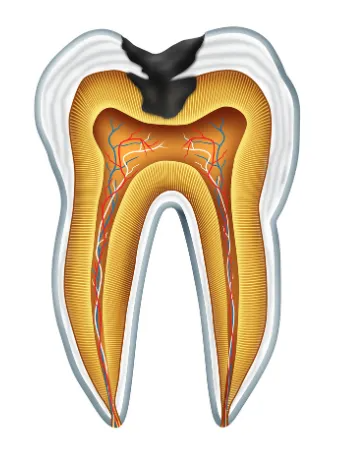
Cavities are areas in the mouth that have experienced tooth decay and developed small holes. They are caused by the accumulation of food debris on the tooth's surface, which generates acid that gradually erodes the tooth, leading to intense pain and discomfort.
Cavities are particularly common among children, teenagers, and older adults. If left untreated, they can result in tooth root damage and the need for a root canal. Thankfully, dental fillings can help prevent this.
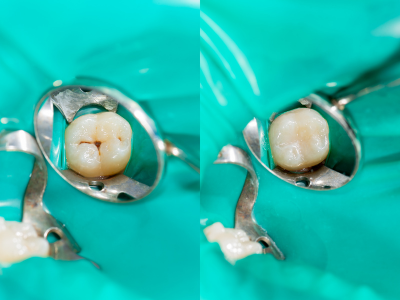
The treatment for cavities involves removing the decayed area to prevent further damage and filling the resulting cavity with a resin. This resin fills in the hole created by the decay.
However, cavities are not the only reason why people receive composite dental fillings. Cracked, broken, or worn teeth also account for many of the dental fillings performed at Michigan City Family Dentistry.
Signs You May Have a Cavity
Not every cavity causes pain right away. In fact, tooth decay can develop for some time before you notice that anything is wrong. This is one reason regular dental exams are important. Finding a cavity while it is still small may allow us to treat the tooth before the decay becomes more extensive.
You may notice sensitivity to hot, cold or sweet foods, discomfort when biting or chewing, a rough area on a tooth, or a visible dark spot or small hole. Sometimes there are no noticeable symptoms at all, and the cavity is discovered during a routine dental exam or on an X-ray.
If a tooth has started bothering you, it is better to have it checked rather than waiting for the discomfort to become more severe. We can examine the tooth, determine what is causing the problem and explain whether a filling or another treatment is appropriate.
Types of Dental Fillings
The type of filling recommended depends on where the tooth is located, how much tooth structure needs to be repaired and other factors specific to your dental needs. We will explain the options that are appropriate for your tooth before treatment begins.
Composite fillings are made from tooth-colored resin and can be matched closely to the natural shade of your teeth. Because of their appearance, they are commonly used in areas that can be seen when you smile, although they may also be used on other teeth when appropriate.
Amalgam fillings are made from a durable metal material and may be an option for certain teeth, particularly those toward the back of the mouth where chewing forces are greater.
If you have an older filling that is worn, cracked, loose or causing problems, we can also evaluate it to determine whether it should be replaced. Our goal is to preserve as much healthy tooth structure as possible while restoring the tooth so you can comfortably bite and chew.
Before treatment begins, we will examine the tooth and explain what we found and why a filling is recommended. The area around the tooth is typically numbed with local anesthetic to help keep you comfortable during the procedure.
The damaged or decayed portion of the tooth is carefully removed, and the area is cleaned before the filling material is placed. The filling is then shaped so that it fits naturally with your tooth and bite.
Before you leave, we will check your bite and make any adjustments that are needed. Your mouth may remain numb for a period of time after your appointment, so take care when eating or drinking until normal sensation has returned.
If something does not feel right after the numbness wears off, such as your bite feeling uneven, call our office. A filling may occasionally need a small adjustment after it has been placed.
Why Is Decay Removed Before a Tooth Is Filled?
A dental filling does more than cover a cavity. Before the filling can be placed, the decayed or damaged portion of the tooth needs to be removed so that the remaining healthy tooth structure can be restored.
We work carefully to remove the affected area while preserving as much healthy tooth as possible. Once the tooth has been prepared and cleaned, the filling material is placed and shaped to restore the area that was lost to decay or damage.
Treating a cavity while it is relatively small can help prevent decay from progressing deeper into the tooth. If decay reaches the inner portion of the tooth, treatment may become more extensive and could eventually require a root canal or extraction. Regular dental exams give us an opportunity to find problems earlier, often before they become painful.

Caring for Your Tooth After a Filling
A filled tooth still needs the same daily care as the rest of your smile. Brush twice a day with fluoride toothpaste, floss between your teeth and keep up with regular dental exams and cleanings. Good oral hygiene helps reduce the risk of new decay developing around the filling or elsewhere in your mouth.
Fillings are designed to be durable, but they do not necessarily last forever. Over time, a filling can wear, chip or loosen. During your regular exams, we will check existing fillings along with the rest of your teeth so that potential problems can be addressed.
If you have tooth pain, sensitivity or think you may have a cavity, call (219) 871-7171 to schedule an appointment at Michigan City Family Dentistry.