
Dental Implants
A missing tooth can affect more than the appearance of your smile. Depending on where the tooth is located, it can make eating more difficult, change the way your teeth come together and leave neighboring teeth without the support they once had.
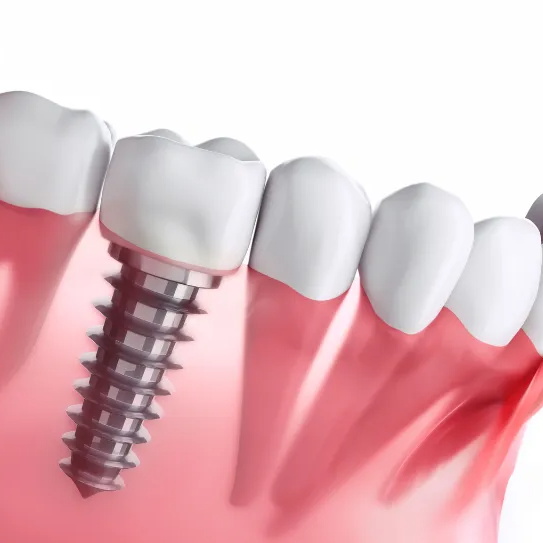
Dental implants offer a long-term option for replacing missing teeth. Unlike a traditional bridge, which relies on neighboring teeth for support, an implant is placed in the jawbone to replace the missing tooth root. Once the implant has healed, a custom restoration is attached to create a replacement tooth designed to look and function naturally.
At Michigan City Family Dentistry, we evaluate your teeth, gums and supporting bone to determine whether a dental implant may be appropriate for you. Your treatment recommendations will depend on your oral health, the location of the missing tooth, the condition of the surrounding tissues and your individual needs.
Dental implants may be used to replace a single missing tooth or as part of a treatment plan for multiple missing teeth. Because every situation is different, the first step is an evaluation and a conversation about the options available to restore your smile.
What to Expect with Dental Implant Treatment
Dental implant treatment takes place in stages, allowing time for the implant to heal and become securely supported before the final restoration is placed. Your exact treatment plan and timeline will depend on your oral health and individual needs.
Evaluation and Treatment Planning
We begin by examining your teeth, gums and the area where the tooth is missing. We will discuss your dental history, your goals and whether a dental implant is an appropriate option for you.
Implant Placement
The dental implant is placed in the jawbone where the missing tooth root was located. The area is then given time to heal so the implant can become stable within the surrounding bone.
Healing and Follow-Up
Healing is an important part of implant treatment and can take several months. We will monitor your progress and let you know when the implant is ready for the next stage of treatment.
Your Final Restoration
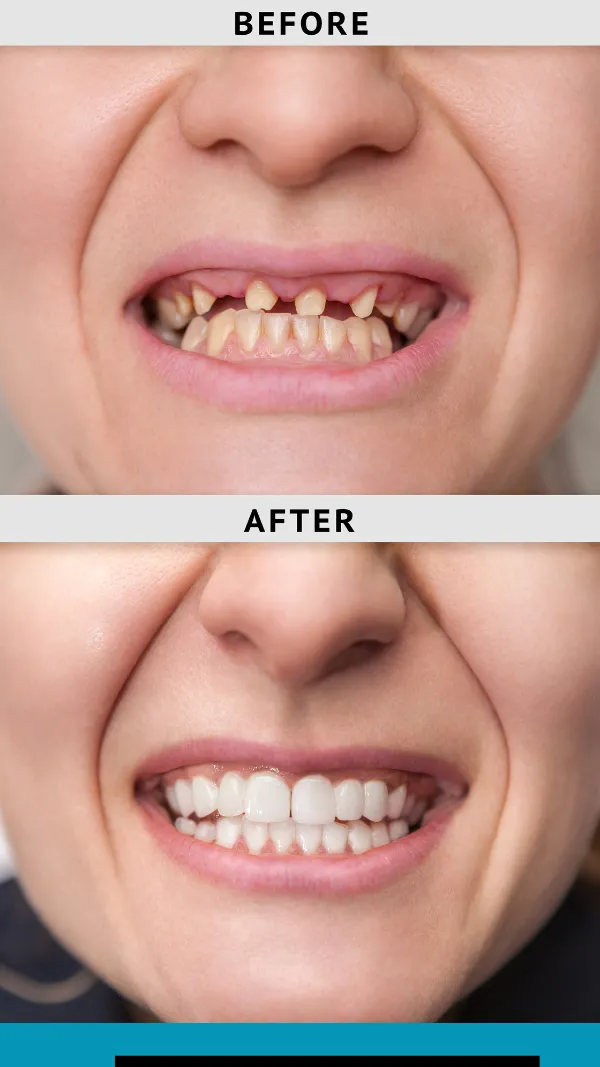
Once the implant has healed, a custom restoration is created and attached to the implant. The goal is to provide a replacement tooth that looks natural, feels comfortable and allows you to smile and eat with confidence.
Throughout the process, we will explain what to expect, answer your questions and make sure you understand each step before moving forward.
Why Patients Consider Dental Implants
Dental implants are designed to provide stable support for a replacement tooth while helping restore everyday function. Depending on your needs, an implant may help:
- Replace a missing tooth without relying on adjacent teeth for support
- Improve your ability to bite and chew comfortably
- Restore the appearance of a missing tooth
- Provide a stable, non-removable tooth replacement
- Help maintain the bone in the area of a missing tooth
Are Dental Implants Right for Everyone?
Dental implants are an excellent option for many patients, but they are not appropriate in every situation. We will evaluate factors such as the health of your gums, the amount and condition of available bone, the location of the missing tooth and your overall dental health.
Certain medical conditions, medications, smoking and active gum disease can also affect treatment planning and healing. We will review these factors with you and explain your options before recommending treatment.